Browse Category: Uncategorized

Moved The New Zealand Flax


Out in Front Garden it was time for the New Zealand flax (phormium tenax) to give up its spot. The flax was moved to a different part of the yard. In its place a mulberry (morus) tree was planted. The tiny tree was grown from a cutting by my brother.

The spot where the tree lives now has a very awkward transition between the dirt, steps, and concrete walk way. Originally, the flax was planted to mask this awkward transition. The flax offered a good deal of landscape appeal. Other than that, it is somewhat of a maintenance hog. The blades when they die off become dry and fibrous. The dried blades are difficult to cut and thus are difficult to remove. For those considering New Zealand flax as a landscape plant, my advice is to consider the maintenance aspect.

advertisement
With the flax no longer covering the awkward transition a daylily was selected. The ‘Fire of Fuji’ double reblooming daylily (hemerocallis) was divided and planted at the base of the young mulberry tree.

In terms of permaculture design, the mulberry will be allow to grow to about five feet tall. At the base, different plants will make their home through the seasons. In their  first season, the mulberry and daylilies will also share ground with elephant garlic and oriental lilies.
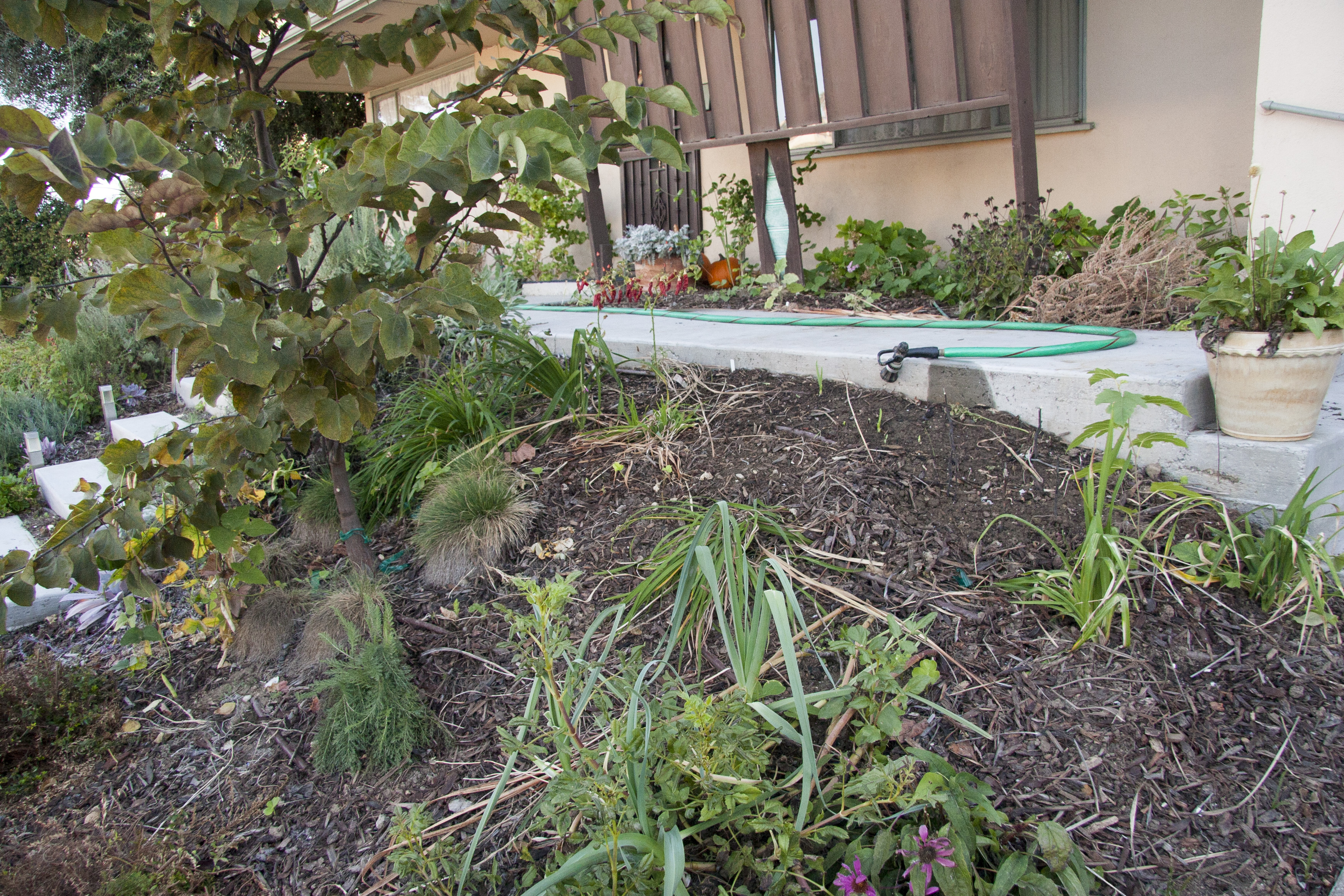
Front Garden mulberry tree
Front Garden with mulberry tree just planted


Planted elephant garlic

Today, the elephant garlic were planted in the Front Garden. Elephant garlic (allium ampeloprasum) are easy to grow. When planting, they are normally planted without much effort; and given little care. A small hole is dug and they are placed in. The soil in the front of the house (or Front Garden) is worked minimally. Despite the soil being closer to dirt, the bulbs produced at the end of the season are good sized.

advertisement

Now after a few seasons, compost is added to the soil. Today’s planting was therefore a little different from the past as far as the amount of work required goes. Despite the increase in the time required, the planting strategy remained the same. In the Front Garden, the elephant garlic (along with anything planted out there) are planted not in uniform rows but semi-organically. Out there, they are both a landscape element and crop.

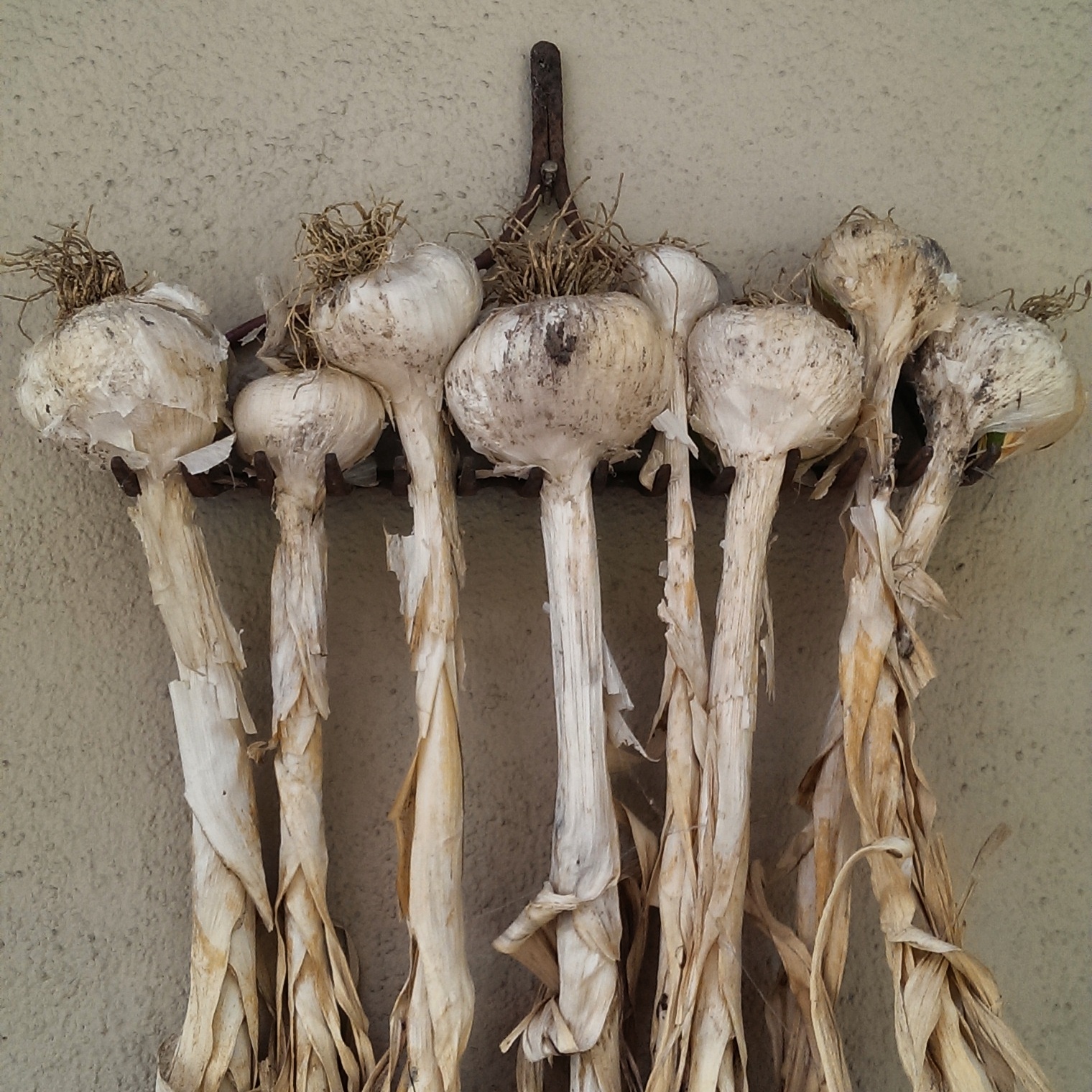
Elephant garlic on a bow rakeThe elephant garlic from this year’s harvest are loaded onto a bow rake and cured.

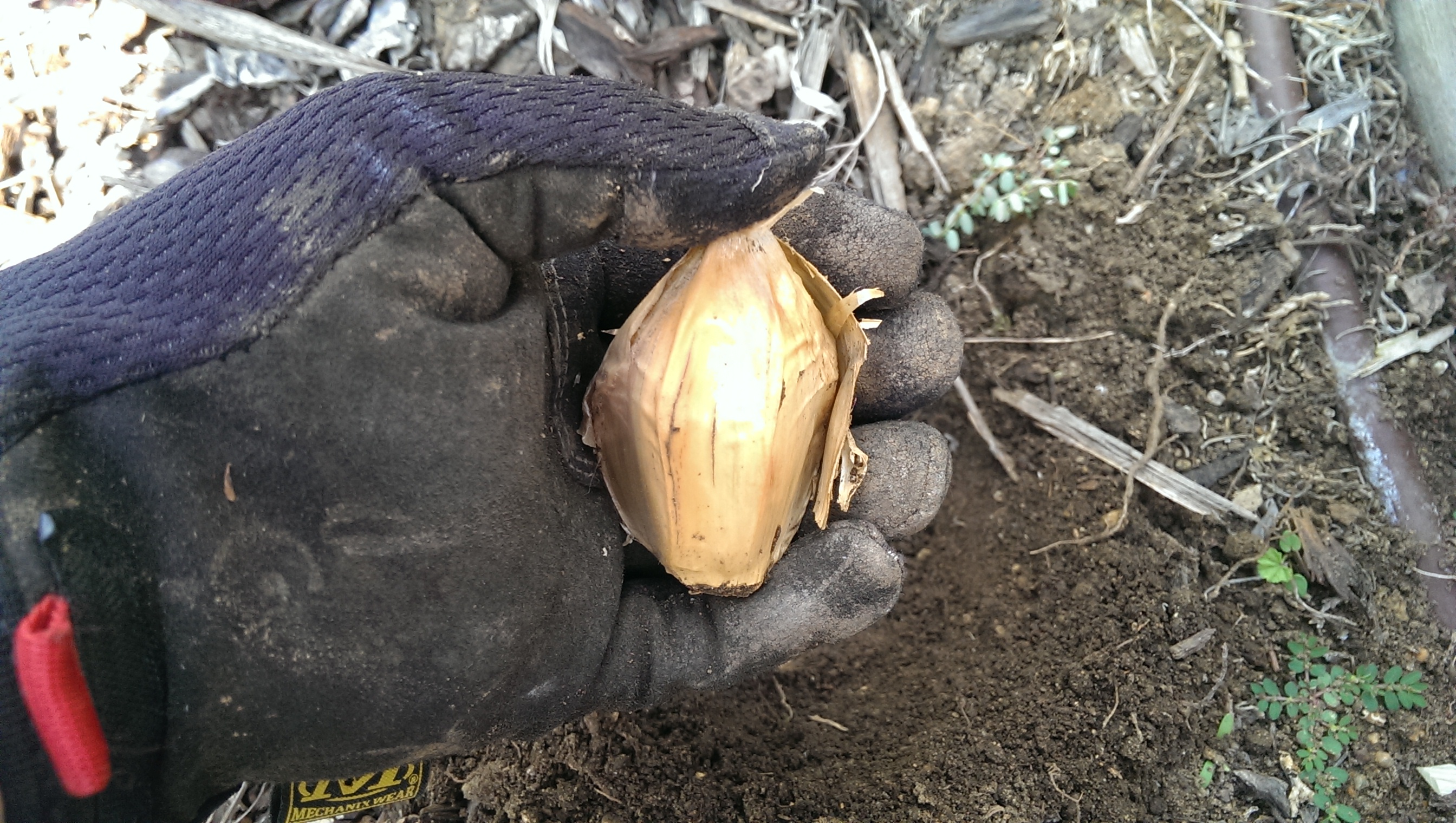
Large elephant garlic cloveOne of the larger elephant garlic cloves.

In the garden, March 2nd, 2015

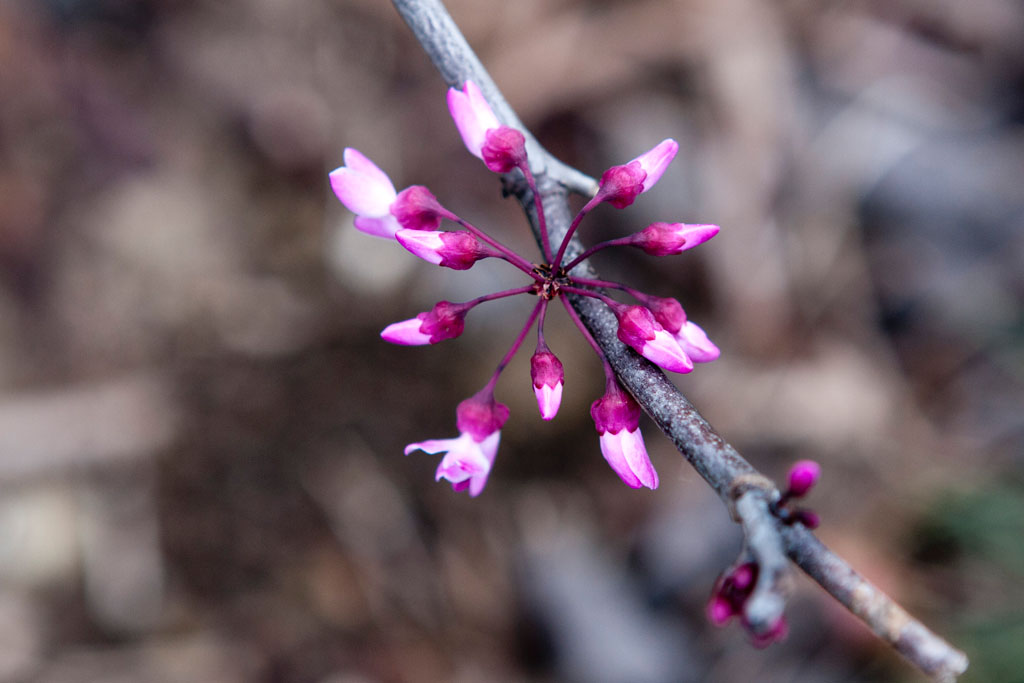
Forest Pansy Redbud(Cercis canadensis)
Forest Pansy Redbud (Cercis canadensis)
IMG_7287
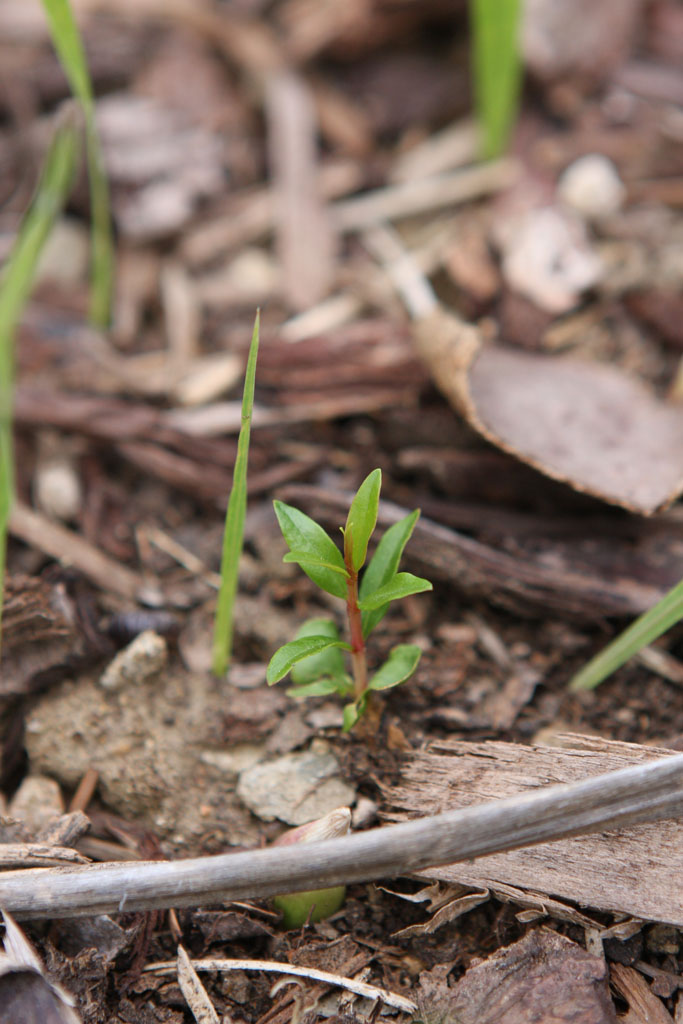
Pomegranate seedling


Elephant garlic (left) Chesnok Red garlic (right)
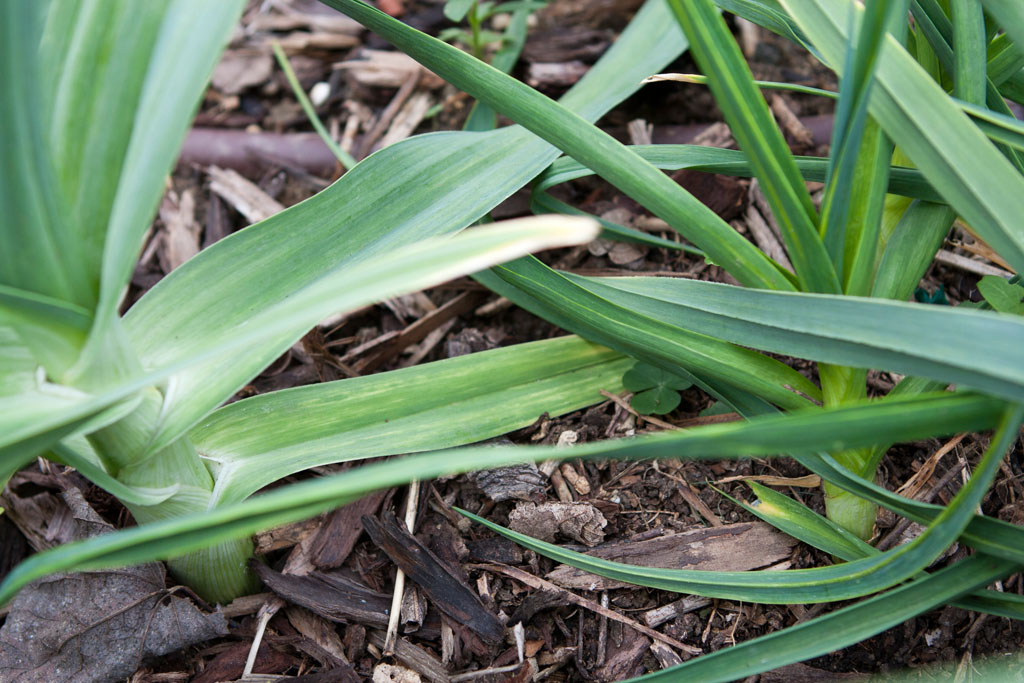
Chesnok Red garlic
Chesnok Red garlic

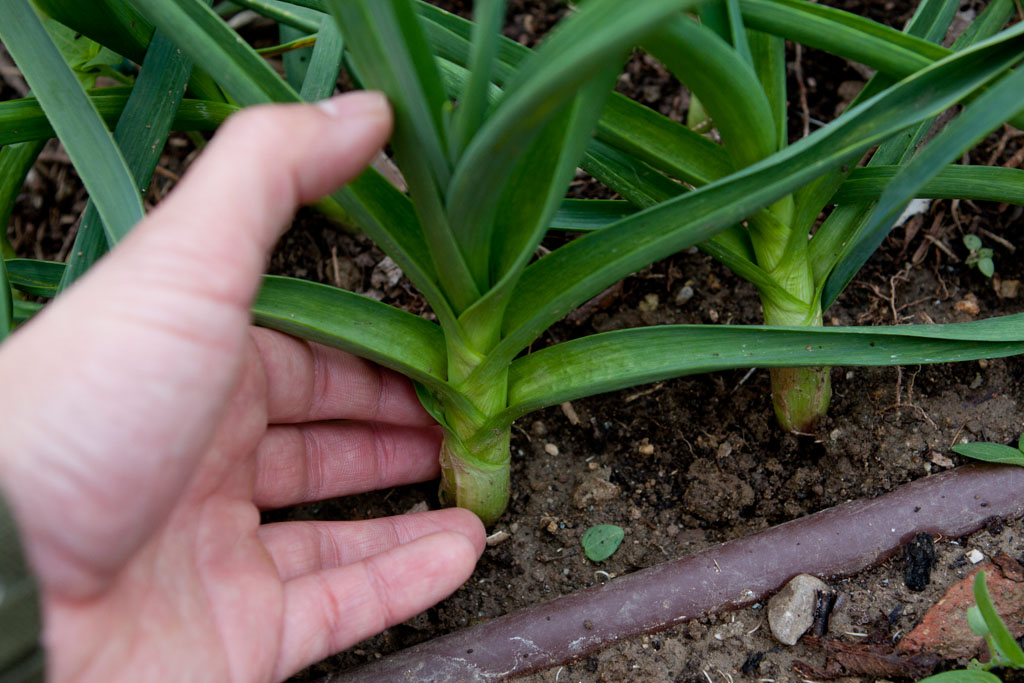
The Chesnok garlic are extremely happy and doing quite well. The matte green leaves invoke memories of drawing and coloring plants and leaves with Crayloa Green. It is a color I would later discover to not be representive of real foilage. Real foilage tends to be a brighter and glossy green.

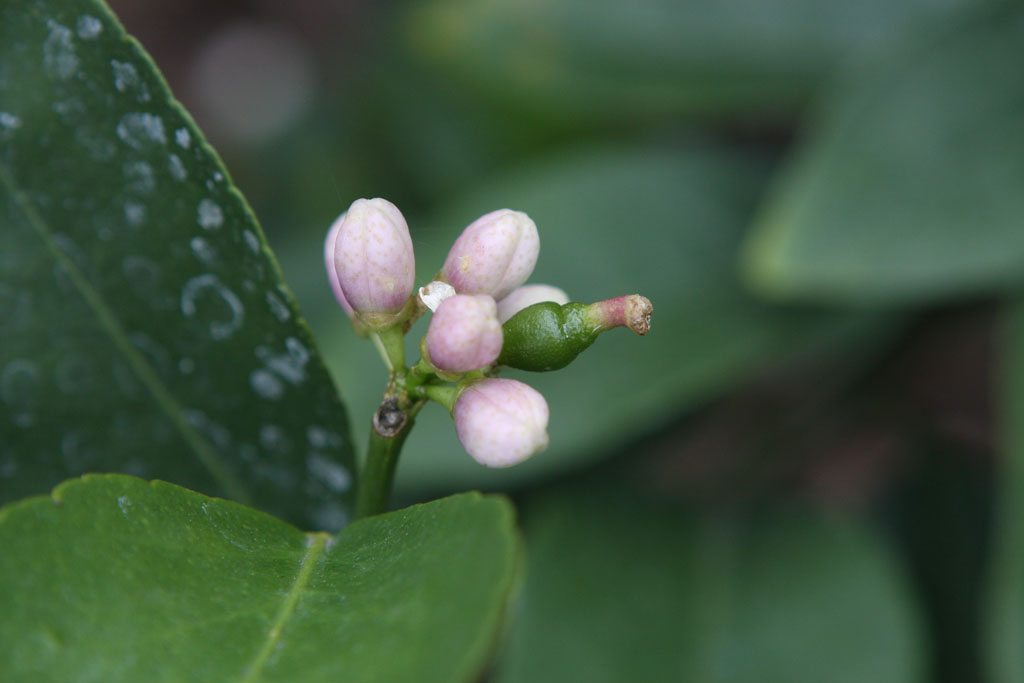
Bearss lime
Bearss lime
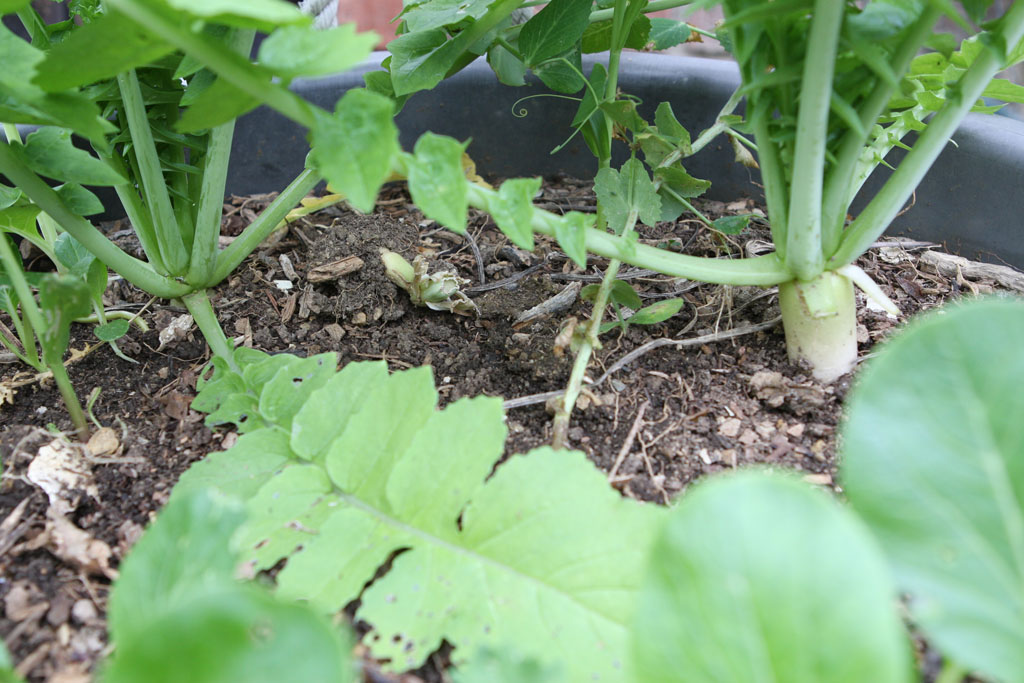
The tale of two radishes: The daikon radish has a leaf that runs along the soil. Not wanting the leaf to block the sun out, I removed it from one of the radishes. The one with the leaf removed is now growing out of the ground. I wonder if the leaf causes the radish to stay under the soil. The next radishes planted will make for a good experiment.
The tale of two radishes: The daikon radish has a leaf that runs along the soil. Not wanting the leaf to block the sun out, I removed it from one of the radishes. The one with the leaf removed is now growing out of the ground.
I wonder if the leaf causes the radish to stay under the soil. The next radishes planted will make for a good experiment.
IMG_7300
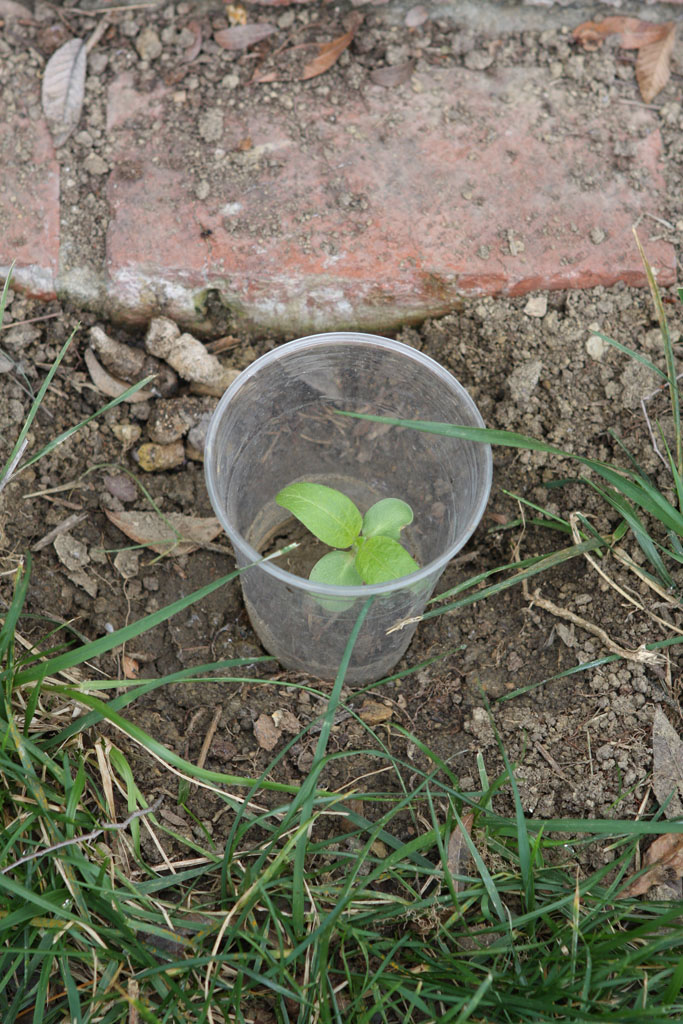
This Apollo’s Fire sunflower is taking the place of a Red Sun sunflower that was mowed down by slugs. To provide it with protection, a used plastic cup is installed along with.
IMG_7524
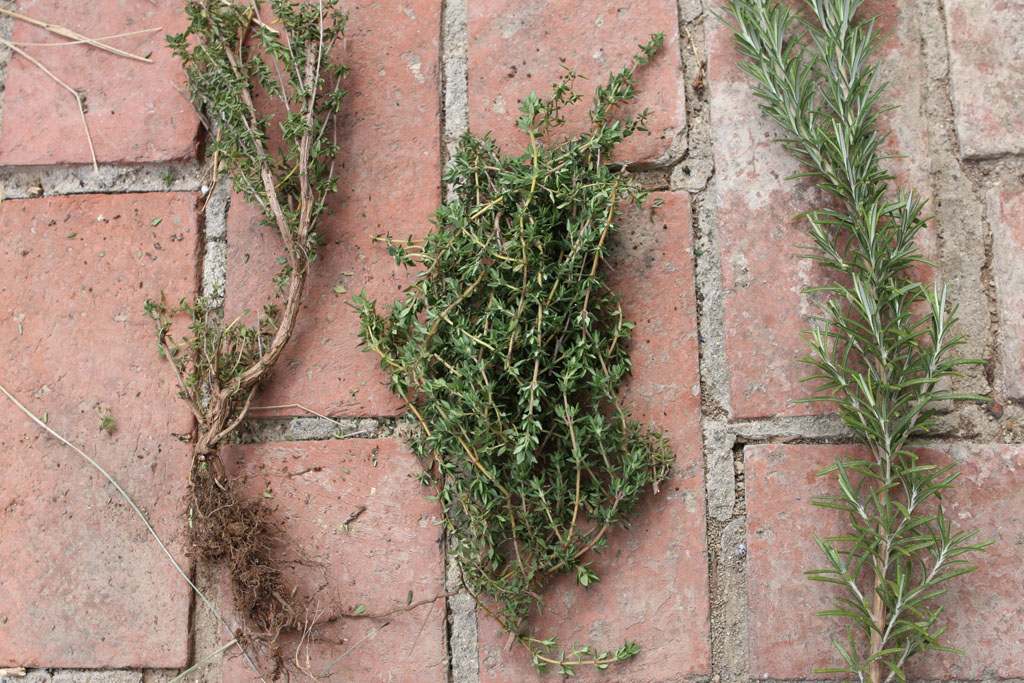
Thyme might be the most practical herb. It grows easily, grows year round, and can be used to season many types of dishes. Thyme sows itself and after letting it grow, I yanked it out. With the bareroot, I am moving it to a more suitable location. On the far right is rosemary. Like thyme, it grows year round. They both make good ornamental plants that can be harvested for cooking. Cheap, convenient, and fresh.

IMG_7301

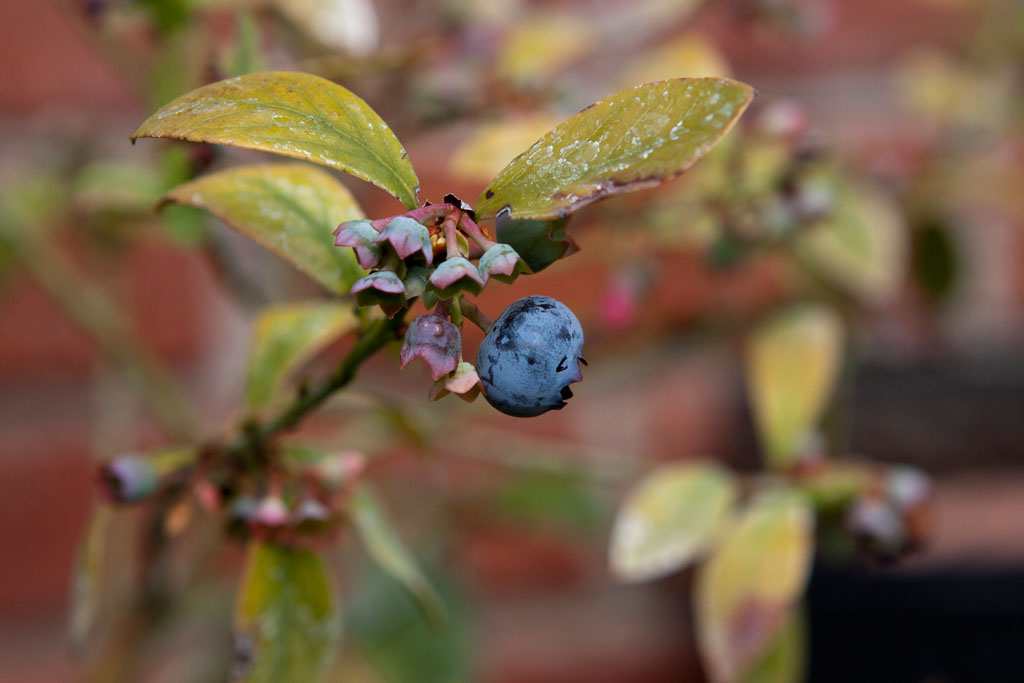
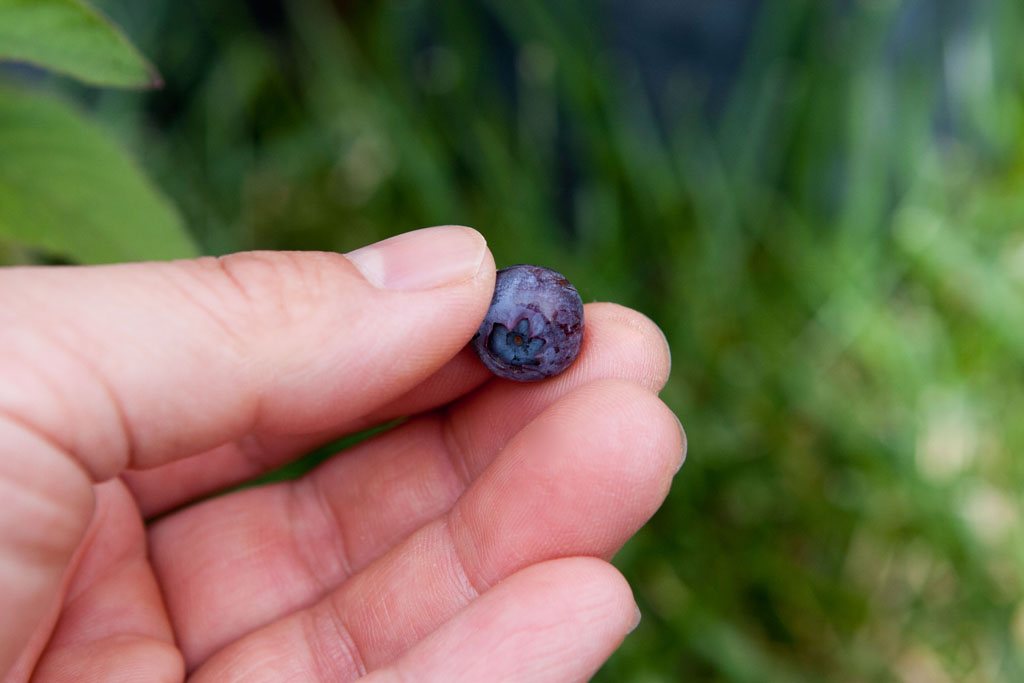
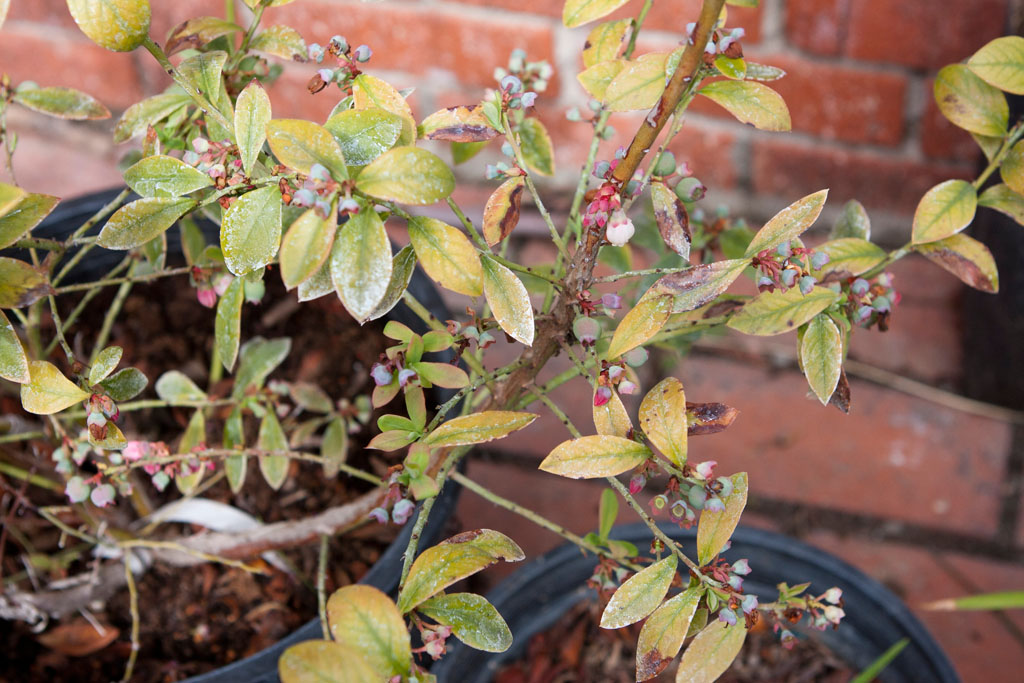
First blueberry of the year. 'Sunshine' blueberry
First blueberry of the year. ‘Sunshine’ blueberry

IMG_7526_fp IMG_7527_1

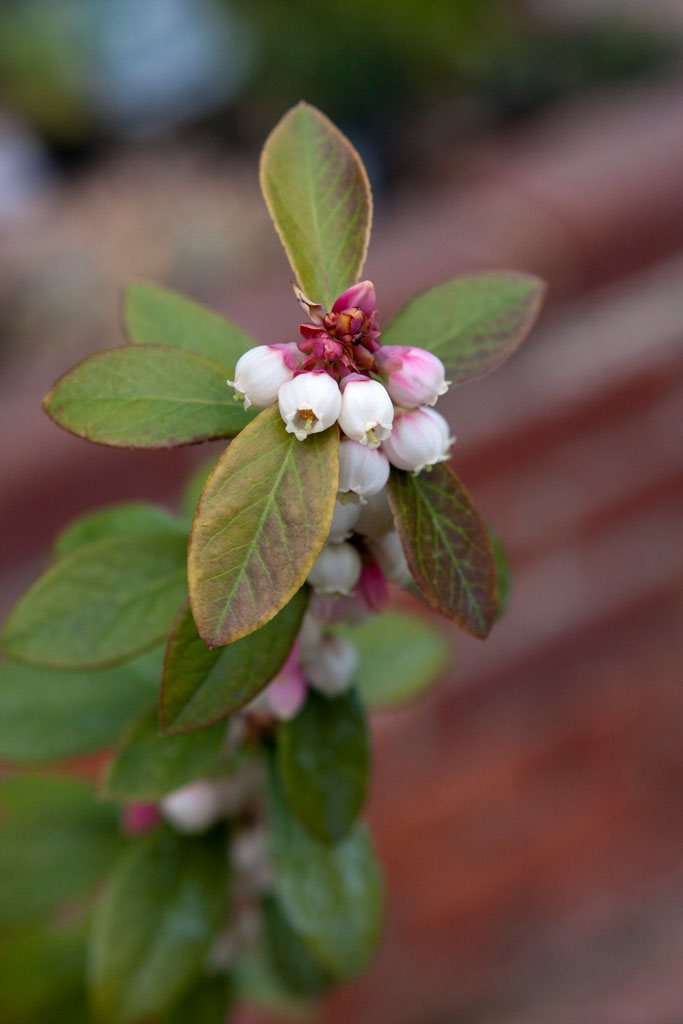
'Sunshine' blueberry blossoms on second year cane
‘Sunshine’ blueberry blossoms on second year cane

IMG_7551_1

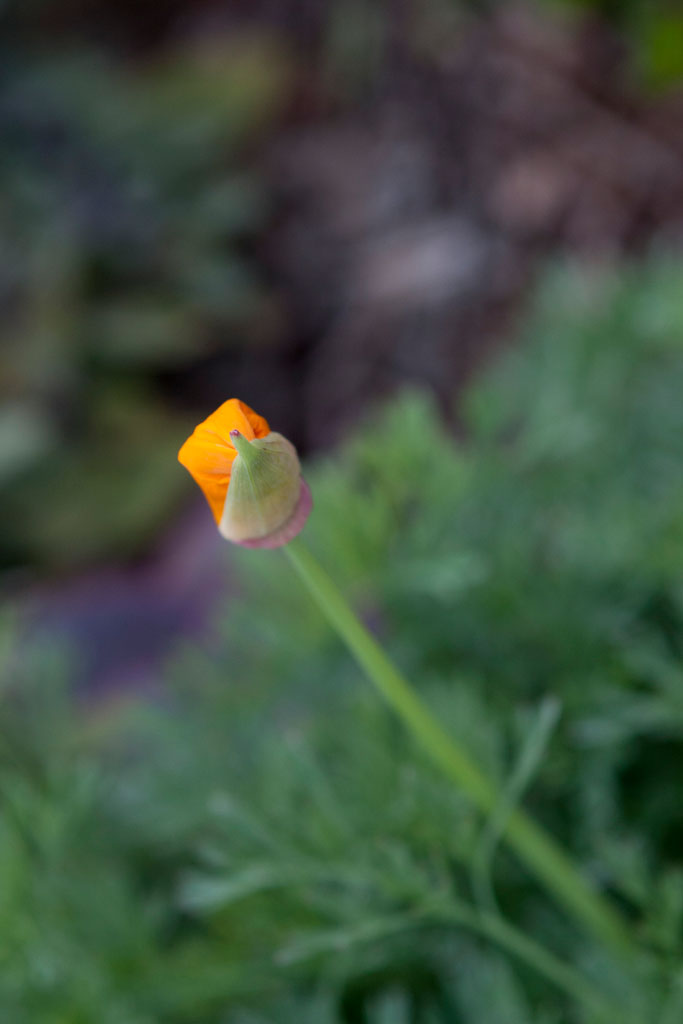
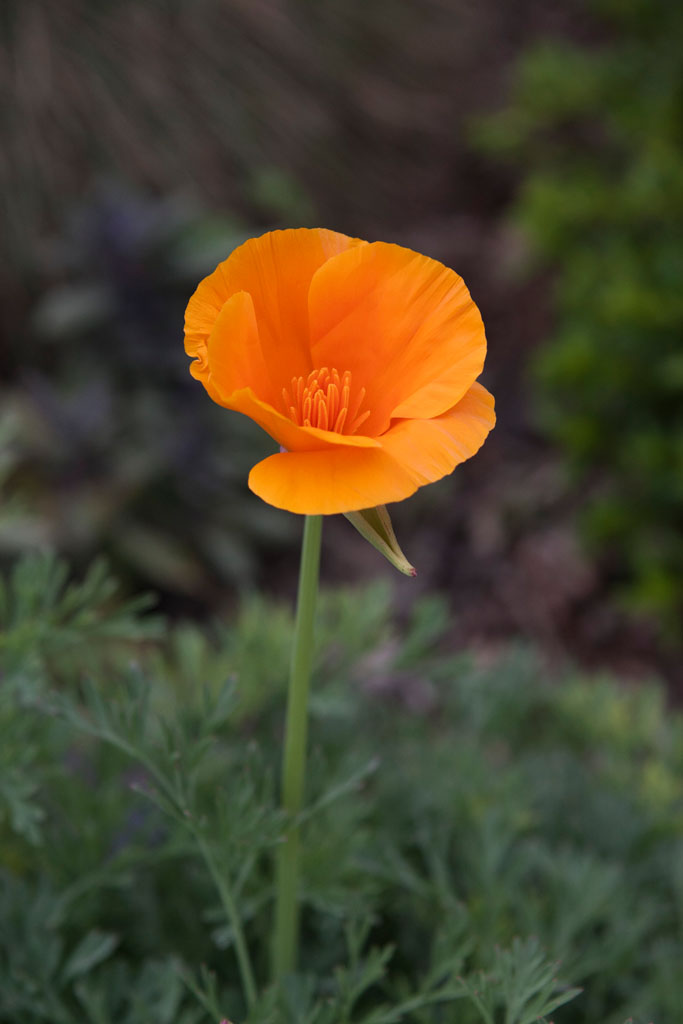
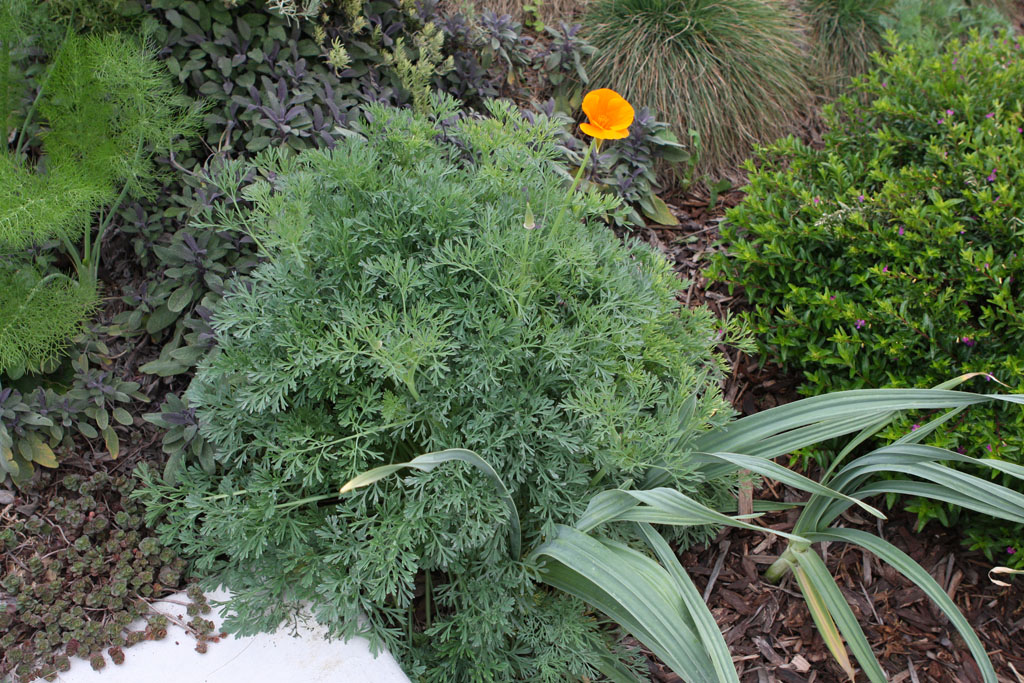
California Poppy(Eschscholzia californica)
California Poppy (Eschscholzia californica)
California Poppy(Eschscholzia californica)
California Poppy (Eschscholzia californica)
California Poppy(Eschscholzia californica)
California Poppy (Eschscholzia californica)


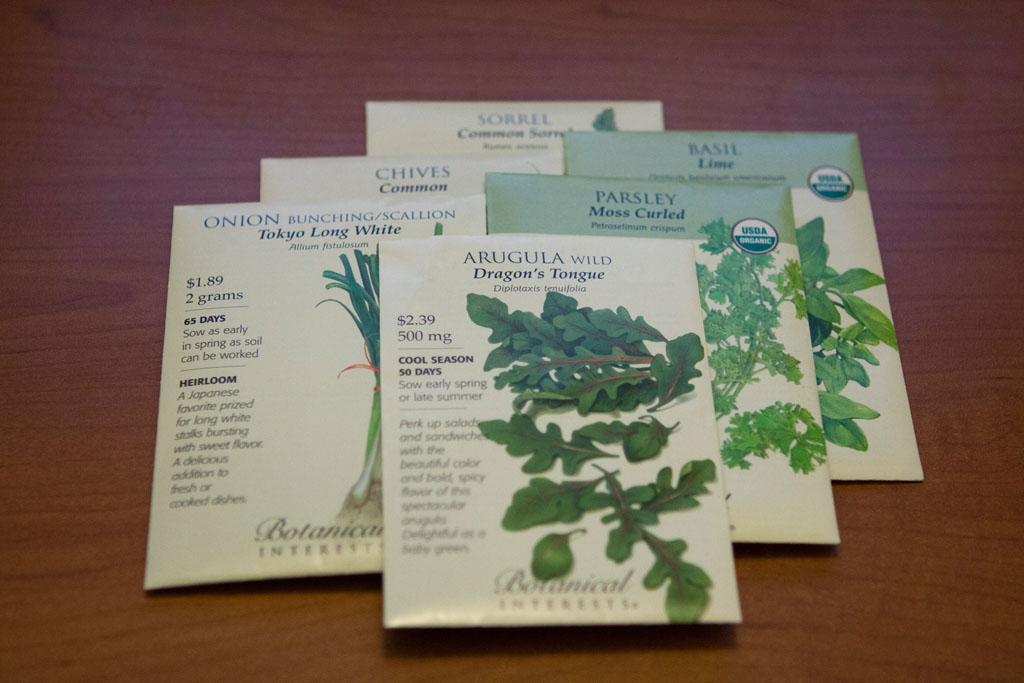
Botanical Interests seeds

IMG_7191_1Botanical Interests is one of my favorite seed brands. They have a large and interesting collection of vegetables, flowers, and herbs. On top of that, their seed packets are artful and informative. Best of all, they have the scientific names of the plants. Their seeds are available online but I always prefer to pick them up. Around here, I know I can find the complete catalog at a Armstrong Garden Center. I went in looking for the ‘Dragon’s Tongue’ arugula seeds and came out with a few others. This is already displaying restraint.